

Uptime guarantees are not just a nice-to-have in a hosting contract. They are a clear statement of how seriously a provider takes reliability, how they measure performance, and what happens if service levels slip. When your website underpins enquiries, sales, bookings, support requests, or brand credibility, even short periods of downtime can have a disproportionate… Continue reading Why uptime guarantees matter in hosting contracts
How to future-proof your business website today

Build on a platform you can evolve, not just launch Future-proofing starts with choosing a website foundation that can change as your business changes. A modern content management system (CMS), a well-structured theme, and a clean codebase make it far easier to add new pages, integrate tools, and refresh design without rebuilding from scratch. Aim… Continue reading How to future-proof your business website today
What to know about staging environments in WordPress

A staging environment is a safe copy of your WordPress site where you can test changes before they go live. Think of it as a rehearsal space: you can update plugins, change themes, tweak code, or try new content layouts without risking downtime, broken pages, or unhappy users on your live website. Why staging matters… Continue reading What to know about staging environments in WordPress
Eco Update: September 2026
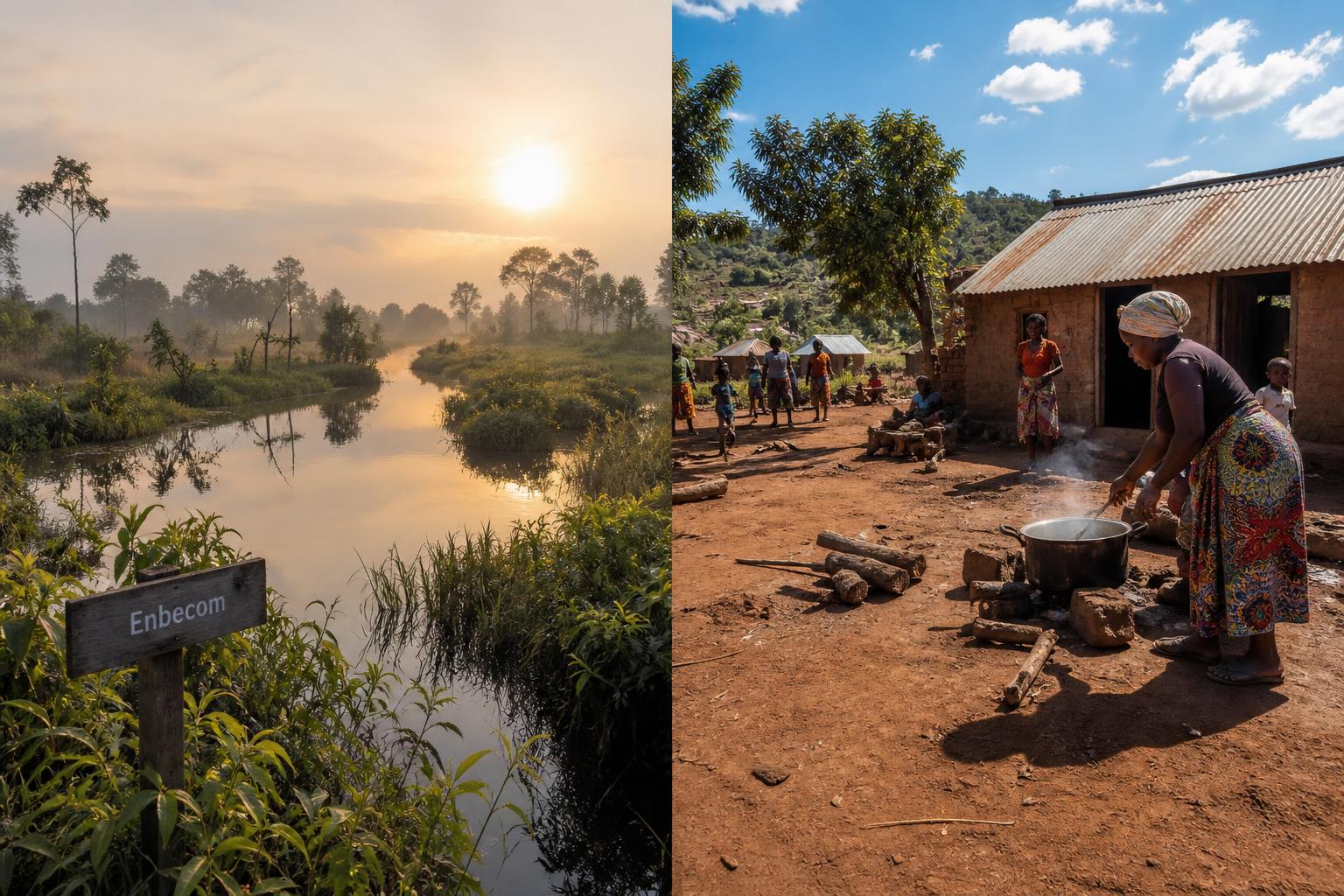
As we move through September 2026, we’re continuing to support environmental projects around the world through our eco-project partner Ecologi. This month, we’re spotlighting two initiatives that deliver meaningful climate impact while supporting communities: Project 1 and Project 2. Project 1: peatland restoration and conservation in Indonesia (the Katingan Mentaya Project) Peatlands are one of… Continue reading Eco Update: September 2026
The pros and cons of domain name forwarding

Domain name forwarding (sometimes called URL forwarding or domain forwarding) lets you point one domain name to another web address. It is commonly used when you own multiple domains and want visitors to reach the same website, or when you are moving a site and need a simple way to catch traffic from an old… Continue reading The pros and cons of domain name forwarding
The role of caching in page speed and user experience

Caching is one of the simplest ways to make a website feel faster, even when you have not changed a single line of design. It works by storing copies of content so that the browser, server, or a nearby network location can reuse it, instead of rebuilding and re-downloading everything on every visit. The result… Continue reading The role of caching in page speed and user experience
Benefits of integrating AI in web hosting services

Faster issue detection and fewer outages Modern hosting environments generate vast amounts of operational data, from server load and memory usage to network latency and disk performance. When this data is analysed continuously, it becomes far easier to spot early warning signs of trouble, such as unusual traffic patterns, creeping resource exhaustion, or subtle performance… Continue reading Benefits of integrating AI in web hosting services
The difference between managed and unmanaged VPS

Choosing between managed and unmanaged VPS hosting is less about “which is better” and more about what level of control, responsibility and support you want. A virtual private server (VPS) gives you dedicated resources within a virtualised environment, sitting between shared hosting and a dedicated server. The key difference is who looks after the server’s… Continue reading The difference between managed and unmanaged VPS
Eco Update: August 2026
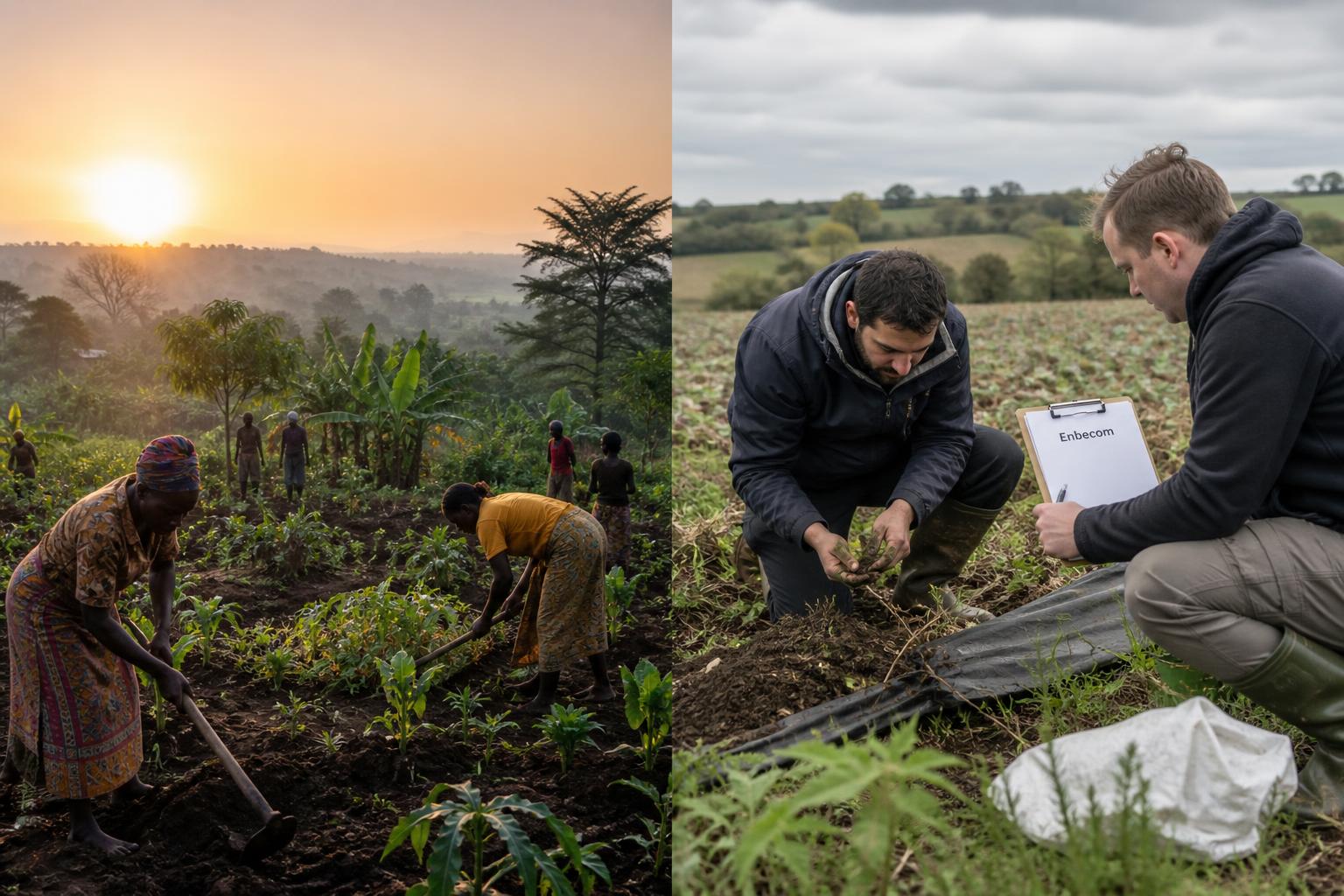
August 2026 is a great moment to reflect on the practical impact of everyday choices, including how we power and run websites. Through our ongoing support of environmental projects around the world with our eco-project partner Ecologi, we’re spotlighting two initiatives this month: Project 1 and Project 2, each tackling climate and sustainability challenges in… Continue reading Eco Update: August 2026